
Home

Local insight · Thoughtful travel

The ECR Travel Journal

Useful, honest guidance from people who live here—written to help you travel through Vietnam with more confidence and deeper connection.

Selected travel guides

Ideas worth travelling for.

Planning · 10 min read

Vietnam in 2026: A Local Guide to Planning Your First Journey

When to go, how long to stay and how to connect the country without spending your holiday in transit.

Northern Vietnam · 7 min read

Sapa Without Long Treks: Culture, Scenery and Gentle Adventures

Rice valleys, mountain railways and village encounters for travellers who prefer a softer pace.

Southern Vietnam · 7 min read

Mekong Floating Markets: What Travellers Should Know

The right time to leave, which market to choose and how to experience river life respectfully.

Hoi An · 6 min read

Tailor-Made in Hoi An: How to Get Clothes You Will Truly Wear

A practical local guide to fabrics, fittings, timing and avoiding rushed decisions.

Practical advice · 8 min read

Travelling Vietnam with Seniors: Comfort Without Missing the Story

Build a rewarding journey with sensible pacing, suitable hotels and thoughtful transport.

Travel essentials · 6 min read

Cash, Cards and Vietnamese Dong: A Calm Guide to Paying in Vietnam

Where cards work, how much cash to carry and the small habits that make payments easier.

Island Vietnam · 7 min read

Phu Quoc Beyond the Beach

Balance quiet coves and sunsets with pepper farms, fishing communities and time to slow down.

Northern Vietnam · 9 min read

Ha Giang for Thoughtful Travellers

Experience the mountain roads safely while keeping landscapes and local communities at the heart of the journey.

Seasonal guide · 6 min read

When Sapa Turns Green and Gold

A seasonal guide to water mirrors, emerald terraces, harvest colour and mountain mist.

Central Vietnam · 8 min read

Hue, Hoi An and Da Nang: Three Personalities

Build a graceful Central Vietnam route without treating its most distinctive stops as a checklist.

Laos · 8 min read

First Time in Laos: Let the Mekong Set the Pace

A gentle introduction to river journeys, temple towns and the pleasure of travelling slowly.

Luang Prabang · 7 min read

Luang Prabang Beyond the Postcard

Temples, waterfalls and food—plus respectful ways to understand the living culture behind the beauty.

Vientiane · 5 min read

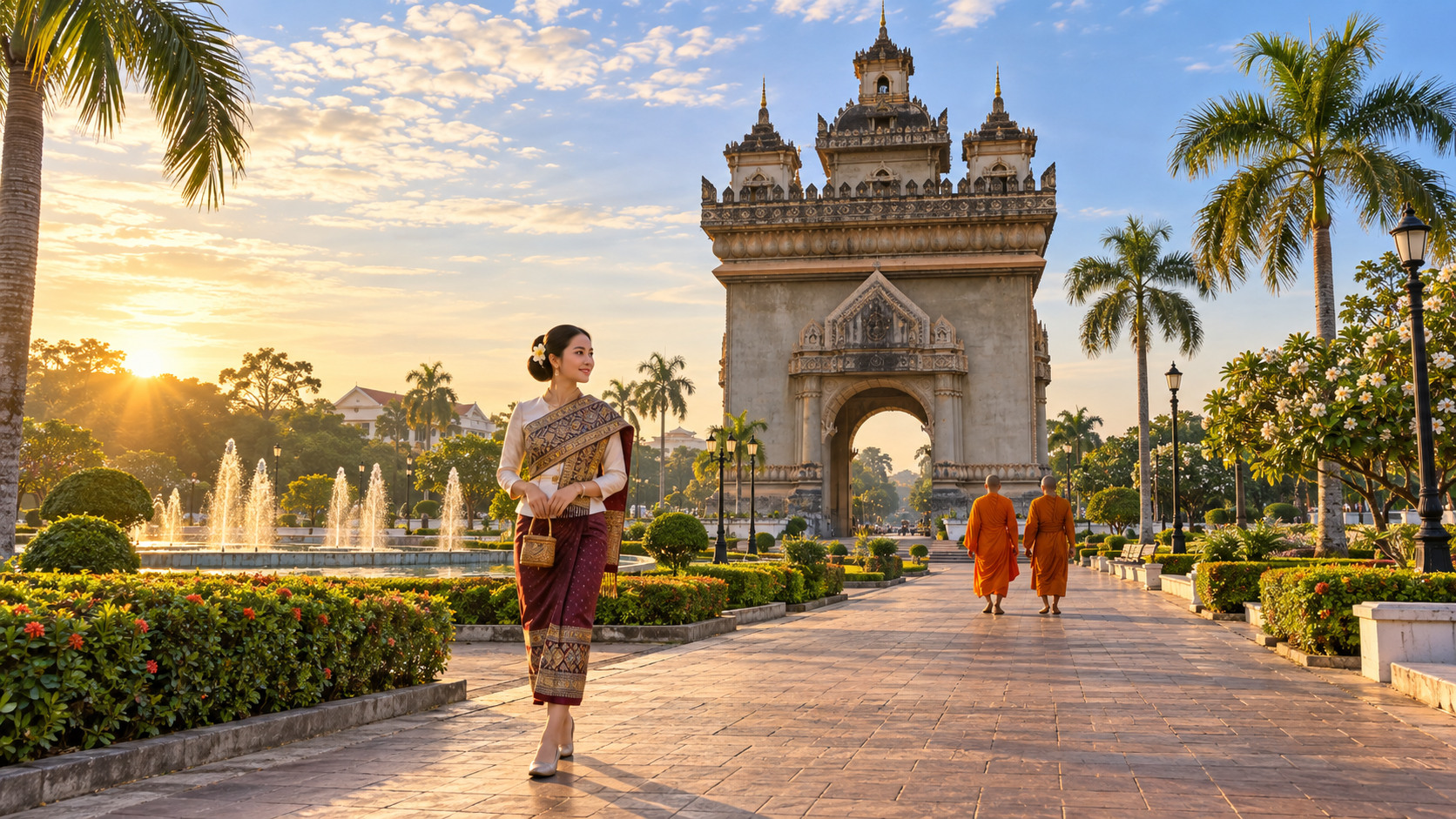
48 Unhurried Hours in Vientiane

A calm capital itinerary shaped by riverside evenings, meaningful monuments and Lao flavours.

Cambodia · 8 min read

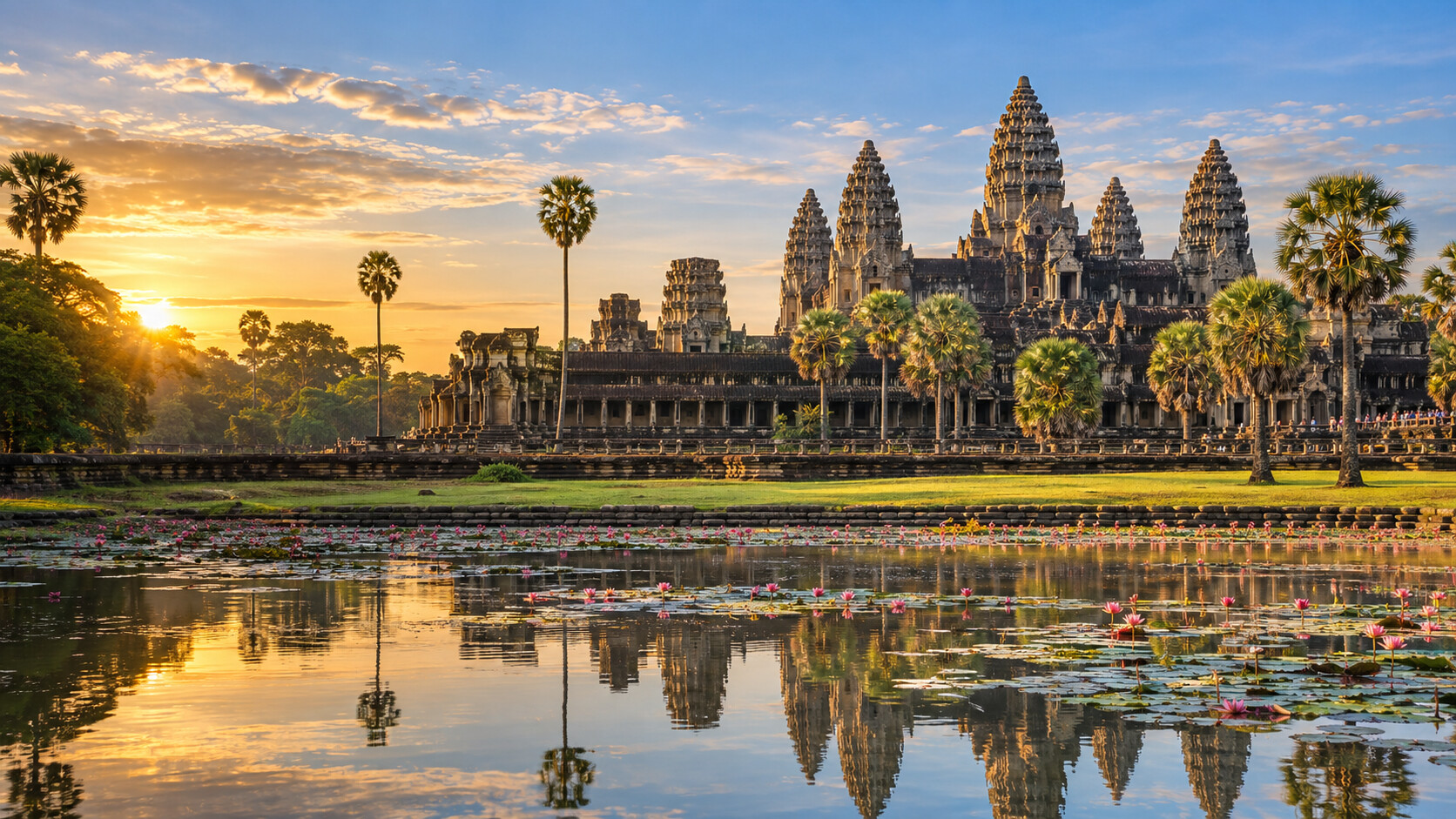
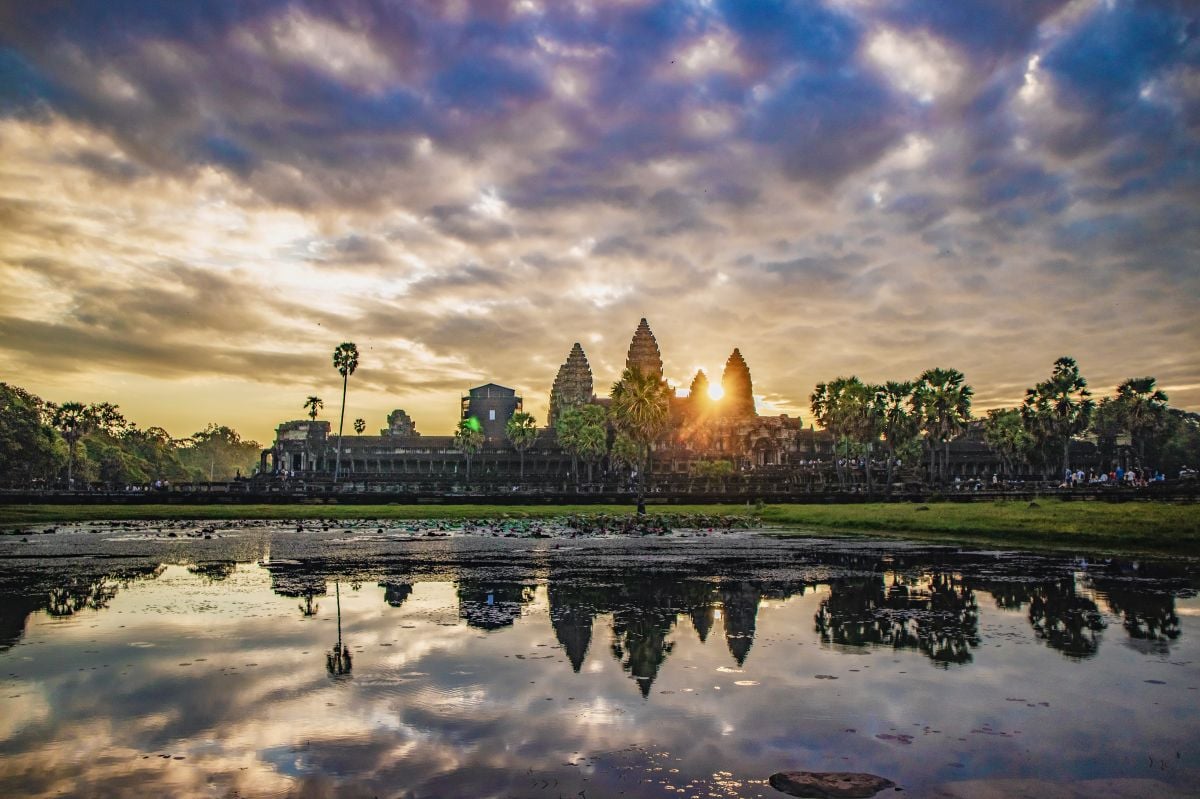
Angkor Beyond Sunrise

Choose the right circuit, avoid the harshest heat and leave room for details that make Angkor unforgettable.

Coastal Cambodia · 6 min read

From Angkor to Koh Rong: Cambodia in Contrasts

Pair ancient stone and contemporary stories with soft sand and restorative island time.

Phnom Penh · 7 min read

Why Phnom Penh Deserves More Than One Night

Look beyond a transit stop to discover layered history, creative dining and life along the Mekong.

Thailand · 6 min read

Thai Temple Etiquette

Simple guidance on clothing, gestures, photography and understanding sacred spaces.

Northern Thailand · 7 min read

Doi Inthanon: A Cooler Side of Thailand

Waterfalls, cloud forest and community coffee on a rewarding day beyond Chiang Mai.

Responsible travel · 7 min read

Village Homestays: How to Be a Welcome Guest

What thoughtful community stays look like—and how travellers can create a positive exchange.

Family Thailand · 8 min read

Chiang Mai with Children

Hands-on culture, nature and food experiences designed for shared family memories.

Limestone islands in Halong Bay

Vietnam in 2026: A Local Guide to Planning Your First Journey

Vietnam rewards travellers who resist the urge to collect destinations. The country is long, regional weather changes quickly, and a route that looks simple on a map can involve a flight, a road transfer and a hotel change. For a first visit, 10 to 14 days is the most comfortable window: enough time to combine the character of Hanoi, the landscapes of Ninh Binh or Sapa, an overnight cruise in Halong Bay, the heritage of Hoi An and the energy of Ho Chi Minh City.

Choose rhythm before route

Begin by deciding how you want the trip to feel. Two nights in each destination creates variety but little depth. Three-night stays allow time for a guided experience, an unscheduled evening and the freedom to adjust when weather changes. Families and senior travellers usually enjoy fewer bases; active travellers may prefer mountain extensions in Ha Giang, Cao Bang or Sapa.

Plan around regions, not one national forecast

Northern Vietnam is generally clearest in spring and autumn, Central Vietnam often shines from February to August, while the south is warm year-round with brief tropical showers in the wetter months. There is no single perfect month for the entire country. A well-designed itinerary uses the season to choose the strongest version of each region.
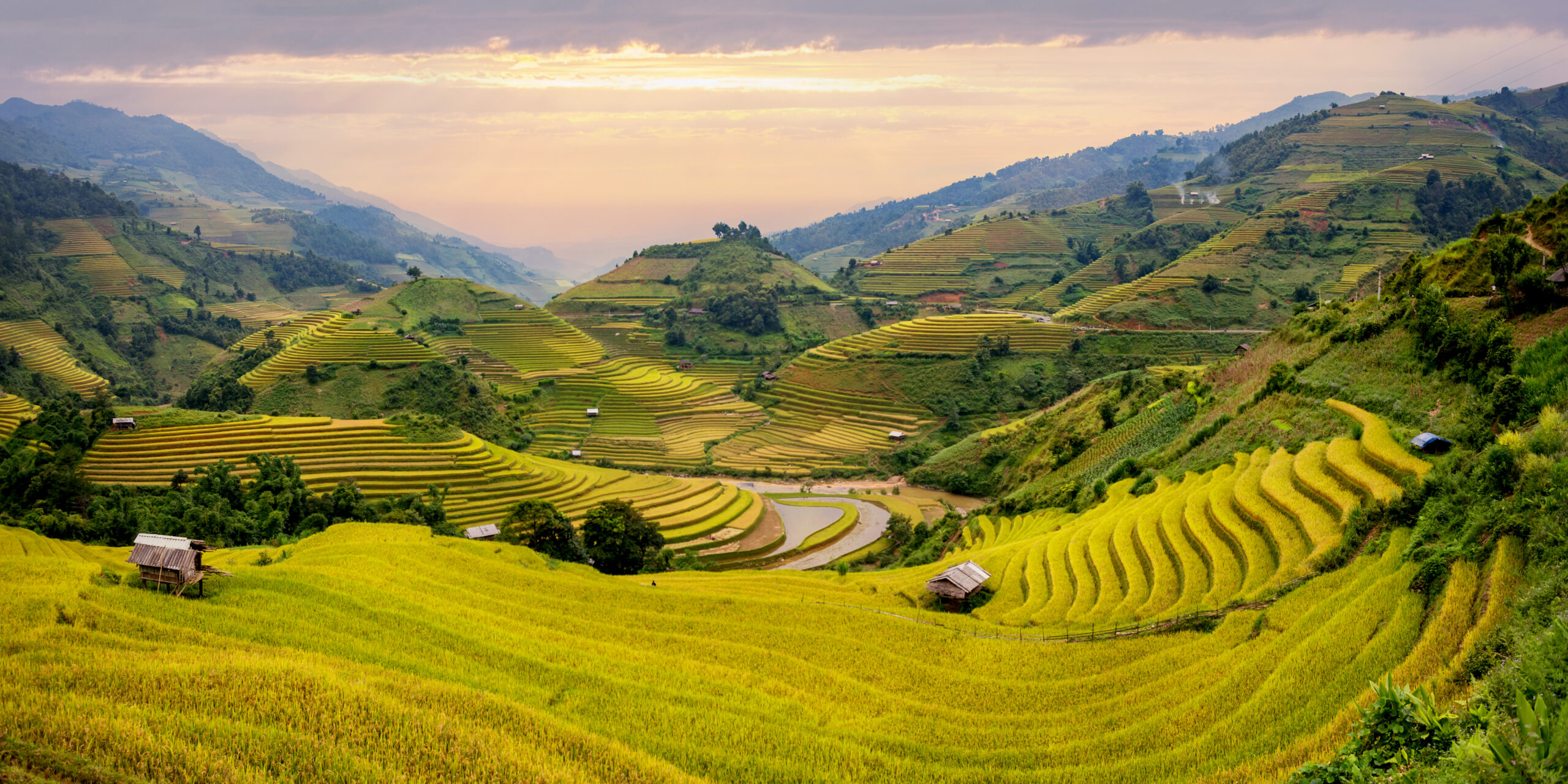

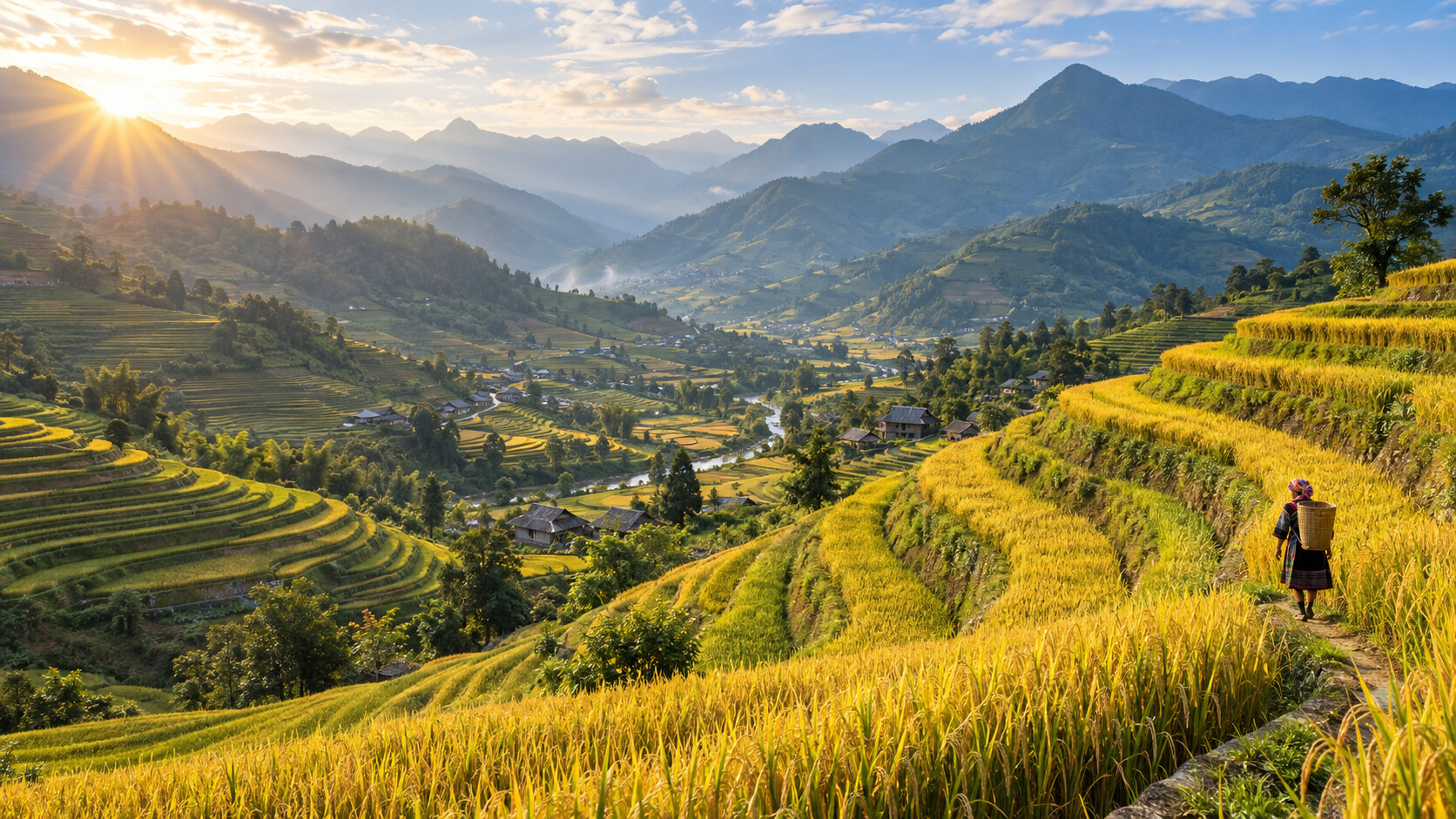
Golden rice terraces in Sapa

Sapa Without Long Treks: Culture, Scenery and Gentle Adventures

Sapa is often presented as a trekking destination, yet its beauty is not reserved for strong hikers. The Muong Hoa funicular and Fansipan cable car offer extraordinary mountain views with minimal walking. Scenic drives reach Silver Waterfall, Love Waterfall and O Quy Ho Pass, while shorter visits to Cat Cat or Sin Chai can be adjusted to suit individual mobility.

Travel for the season you want

May and June bring vivid green terraces; September often carries the warm gold of harvest. Winter can be misty and atmospheric, while spring is softer, with blossoms and fresh mountain air. Weather changes quickly, so a flexible order of activities is more valuable than an overfilled schedule.

Keep culture at the centre

The most meaningful moments often come from an unhurried conversation, a local meal or time spent learning how textiles are made. Choose visits that respect village life and avoid treating communities as a backdrop for photographs.

Southern Vietnam at sunset

Mekong Floating Markets: What Travellers Should Know

The Mekong Delta is not a staged attraction but a working landscape shaped by water. Floating markets have changed as roads and supermarkets have expanded, yet early-morning river trade still reveals a distinctive rhythm of southern life. The experience is best approached with curiosity rather than expectations of a crowded postcard scene.

Go early—and choose the right base

Cai Rang near Can Tho is the most accessible major market and is liveliest around sunrise. Staying overnight in Can Tho allows a calm departure before the heat. A day trip from Ho Chi Minh City is better suited to My Tho or Ben Tre, where sampan waterways, orchards and small workshops create a broader introduction to the delta.

Look beyond the market

A river breakfast, a family-run garden, coconut-candy making and quiet village lanes often become the strongest memories. Travel with a guide who can explain what is changing, translate conversations and select small operators that benefit local families.

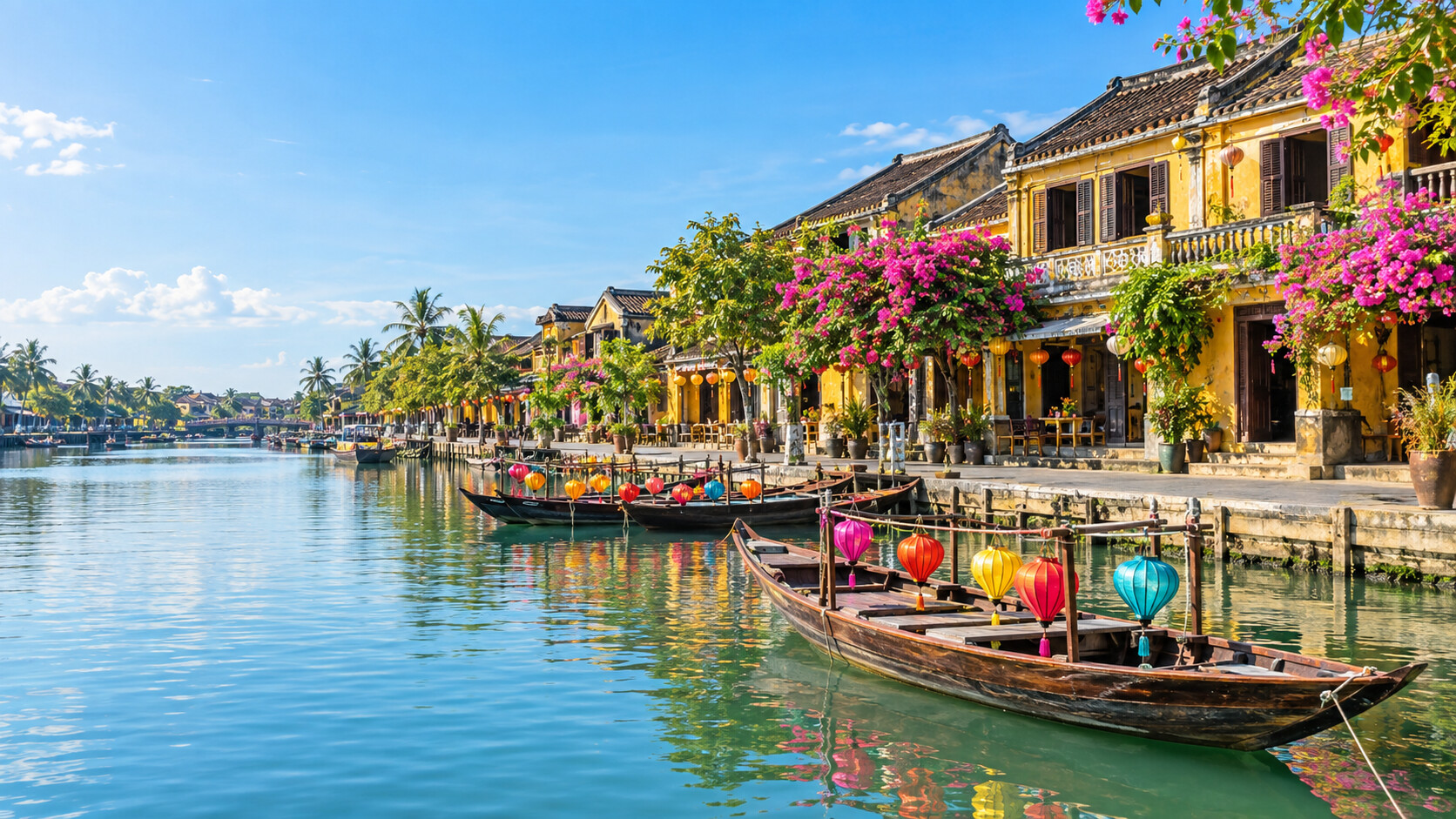
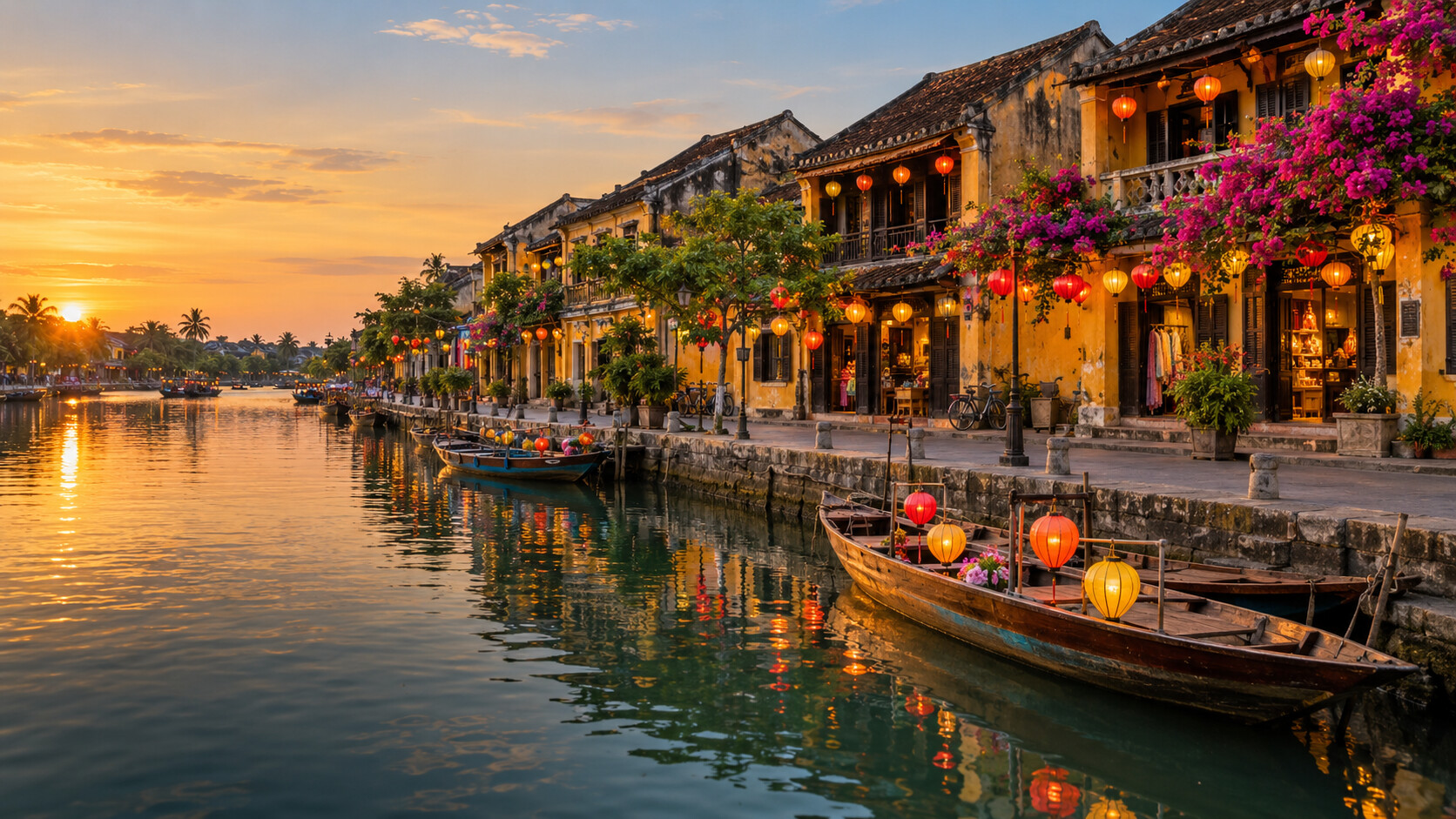
Bright Hoi An Ancient Town waterfront

Tailor-Made in Hoi An: How to Get Clothes You Will Truly Wear

Hoi An’s tailoring tradition can produce beautiful results, but speed should not be the only goal. Arrive with reference photographs, think about where the garment will be worn and be honest about comfort. A skilled tailor will discuss structure, fabric weight and fit rather than simply promising delivery the next morning.

Allow time for two fittings

Order early in your stay. The first fitting checks shape and proportion; the second refines sleeves, hems and movement. For suits, evening dresses or several pieces, two to three days is far safer than 24 hours. Walk, sit and raise your arms during a fitting—the garment should work in real life, not only in front of a mirror.

Choose fabric with the climate in mind

Linen and lightweight cotton suit tropical travel, while wool blends hold a cleaner shape for business wear. Confirm the final price, lining, buttons and delivery time before work begins. Keep one evening free for alterations.

Gentle waterfall landscape in Southeast Asia

Travelling Vietnam with Seniors: Comfort Without Missing the Story

A comfortable itinerary is not a lesser itinerary. With careful pacing, senior travellers can experience Vietnam’s cities, heritage towns, landscapes and cuisine without exhausting travel days. The key is to reduce hotel changes, use private transfers where they matter and protect time for rest after flights.

Design each day around energy

Place the most active visit in the morning, keep lunch relaxed and avoid stacking several major attractions into the afternoon. In Hanoi, a private city tour can combine short walks with vehicle transfers. In Ninh Binh, Trang An boats are often easier than steep viewpoints. In Halong Bay, cabin location and tender access should be discussed before selecting a cruise.

Small hotel details matter

Request walk-in showers, elevators, quiet rooms and easy breakfast access. Carry regular medication in hand luggage with prescriptions, allow generous airport time and share mobility needs before arrival—not after the tour has begun.

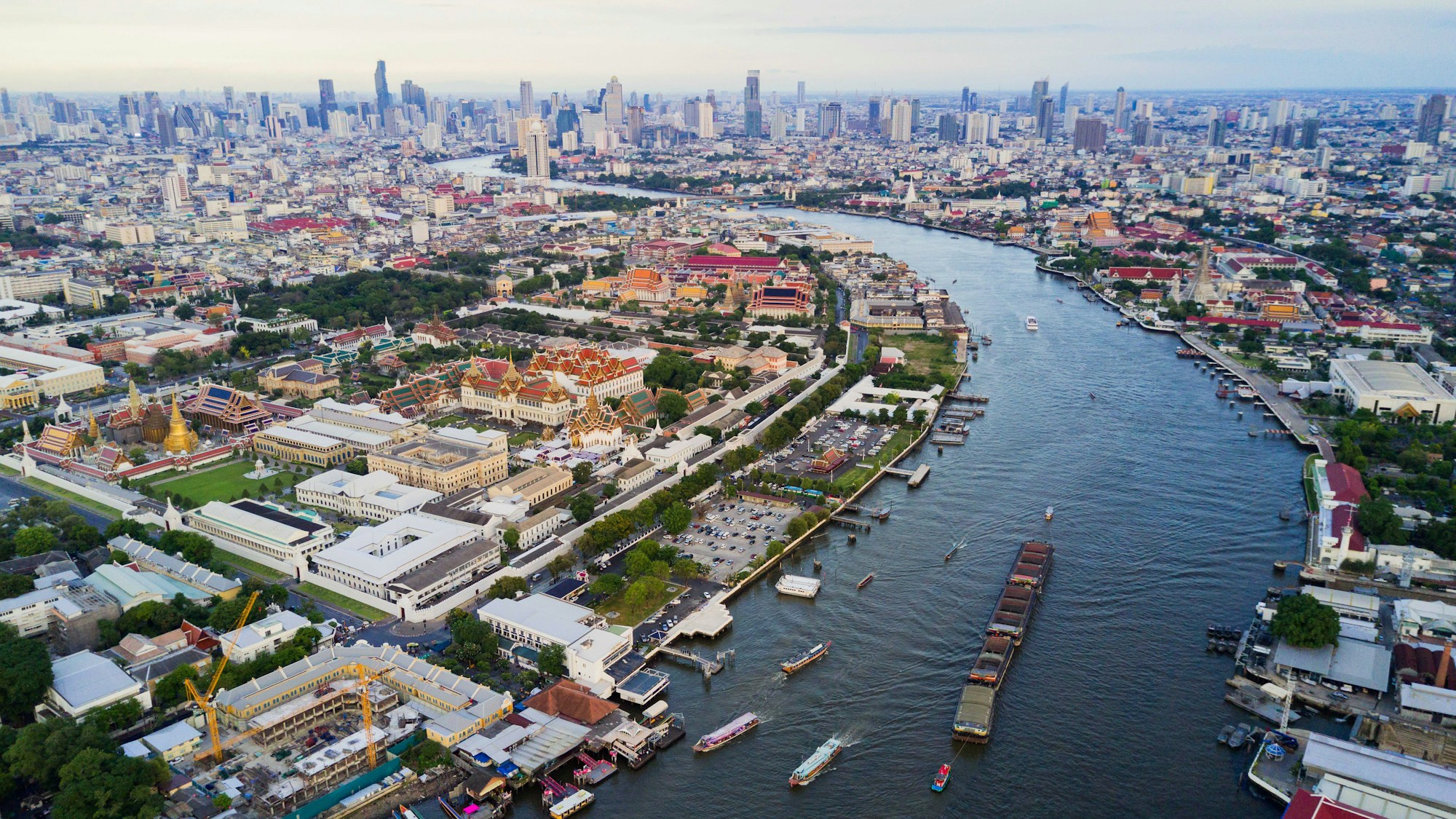
Modern city travel in Southeast Asia

Cash, Cards and Vietnamese Dong: A Calm Guide to Paying in Vietnam

Vietnam is increasingly card-friendly, but cash remains useful for markets, small cafés, local transport and rural stops. Hotels, quality restaurants and larger shops generally accept international cards; smaller businesses may add a fee or prefer bank transfer and cash.

Carry a practical mix

Use ATMs attached to established banks, withdraw during daytime when possible and count notes carefully—the colours and large numbers can look similar at first. Keep smaller denominations separate for tips, drinks and market purchases. There is rarely a need to carry a large amount.

Pay securely

Choose to be charged in Vietnamese dong when a card terminal offers currency conversion, and inform your bank before departure. Keep one backup card apart from your wallet. Digital wallets are common locally, but many require Vietnamese banking access, so visitors should not depend on them.

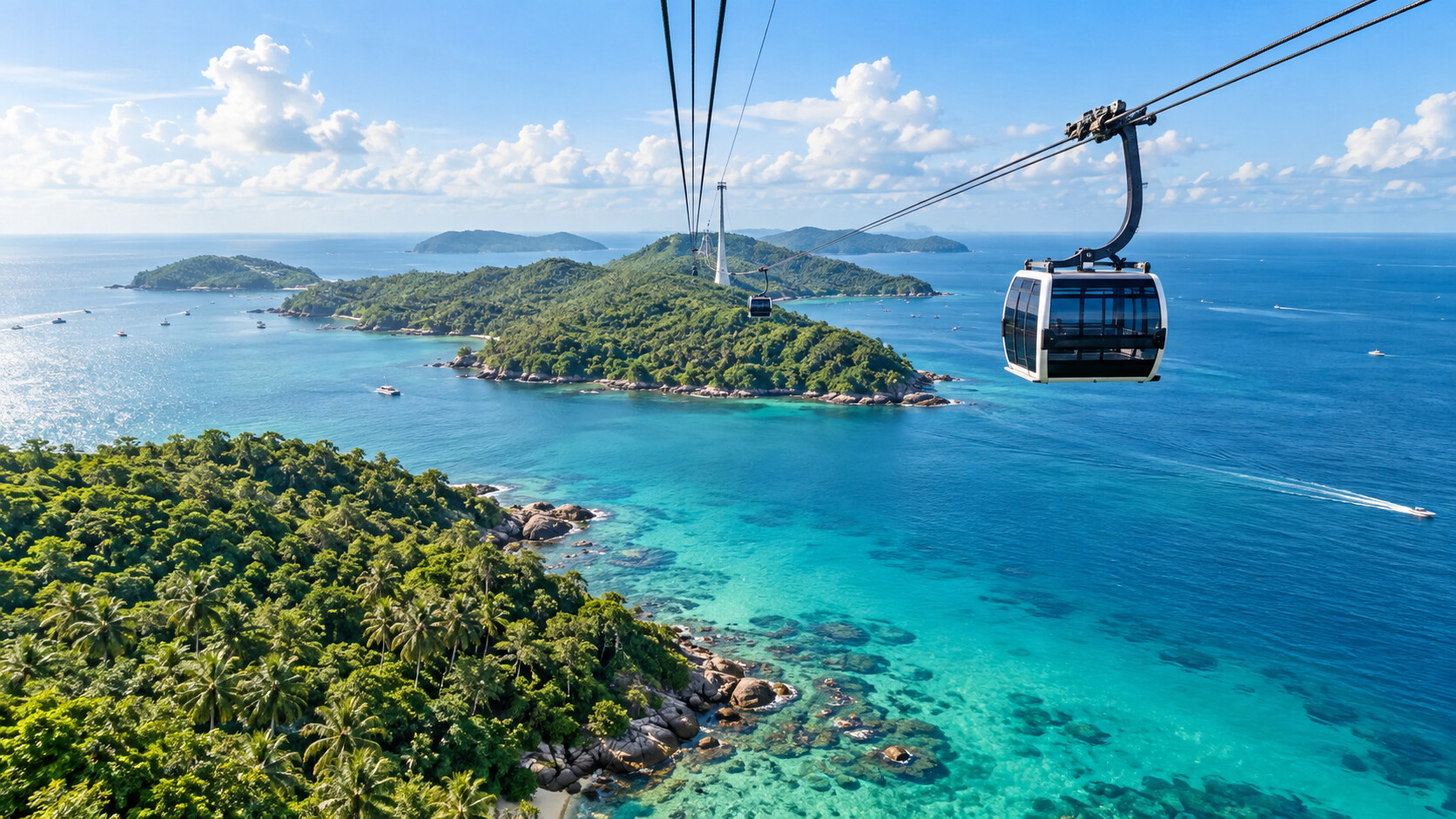
Clear tropical water around Phu Quoc

Phu Quoc Beyond the Beach

Phu Quoc is at its best when the beach is part of the day rather than the entire plan. A quiet swim, a local breakfast and a drive through pepper gardens reveal an island with its own working rhythm.

Choose one considered boat day rather than several hurried excursions, and leave one evening with no plan at all.

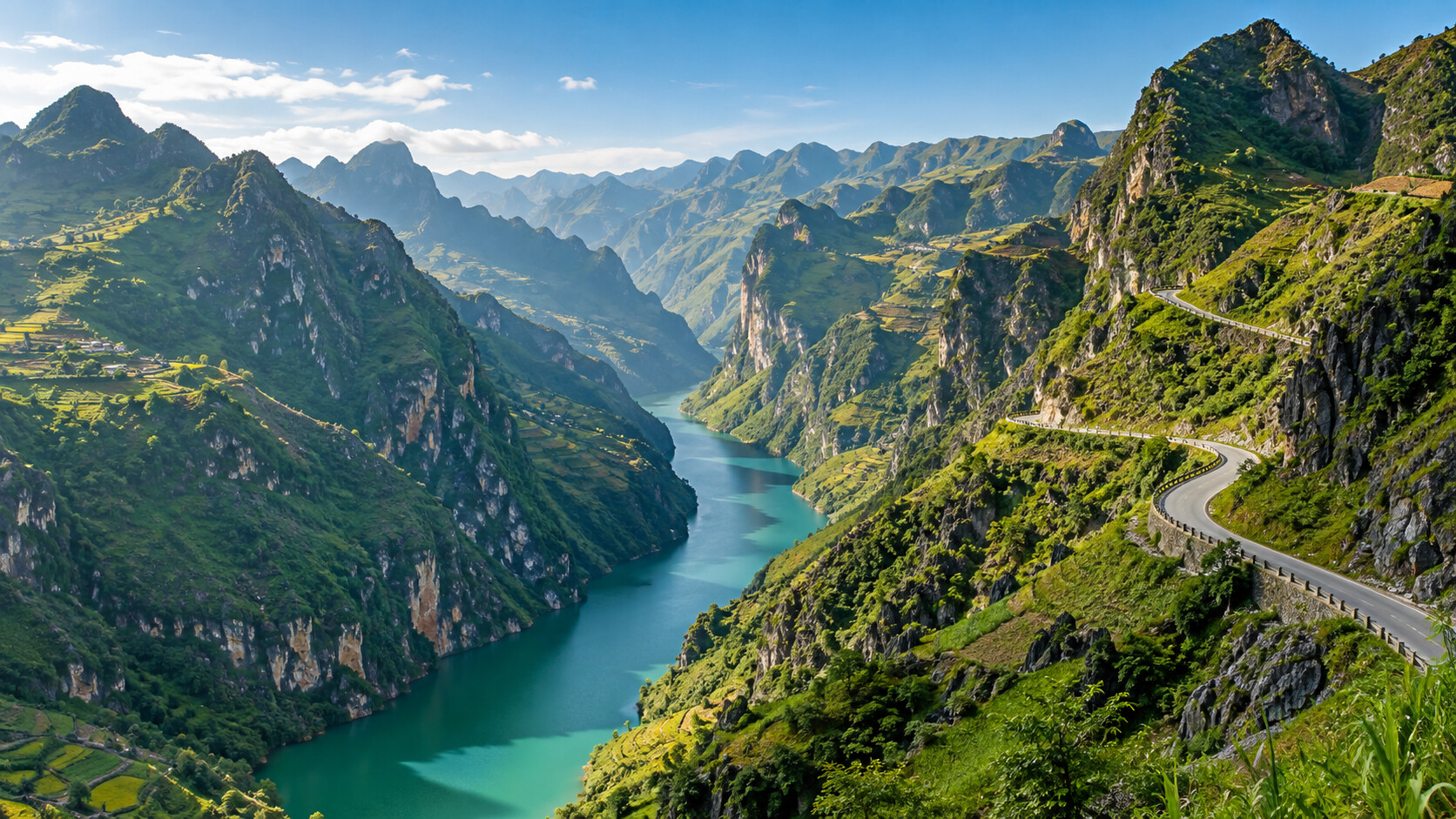
Mountain road in Ha Giang

Ha Giang for Thoughtful Travellers

Ha Giang’s roads cross limestone peaks and communities shaped by altitude and season. The richest journey makes time for markets, family meals and stories from people living between the passes.

Travel with an experienced local driver, keep daily distances reasonable and use homestays that share income locally.

Golden rice terraces near Sapa

When Sapa Turns Green and Gold

Late spring brings water-filled terraces that mirror the sky. Summer turns valleys green; by September, many slopes glow gold before harvest. Timing varies by altitude and rainfall.

Mist, planting and harvest each reveal a different working landscape, so let the season shape expectations rather than define the visit.

Hoi An riverfront in warm daylight

Hue, Hoi An and Da Nang: Three Personalities

Hue speaks through imperial history; Hoi An invites lantern-lit evenings; Da Nang adds contemporary energy and beaches. Together they form one of Vietnam’s most balanced journeys.

Allow two nights in Hue and at least three around Hoi An or Da Nang. Cross the Hai Van Pass by road when weather is clear.

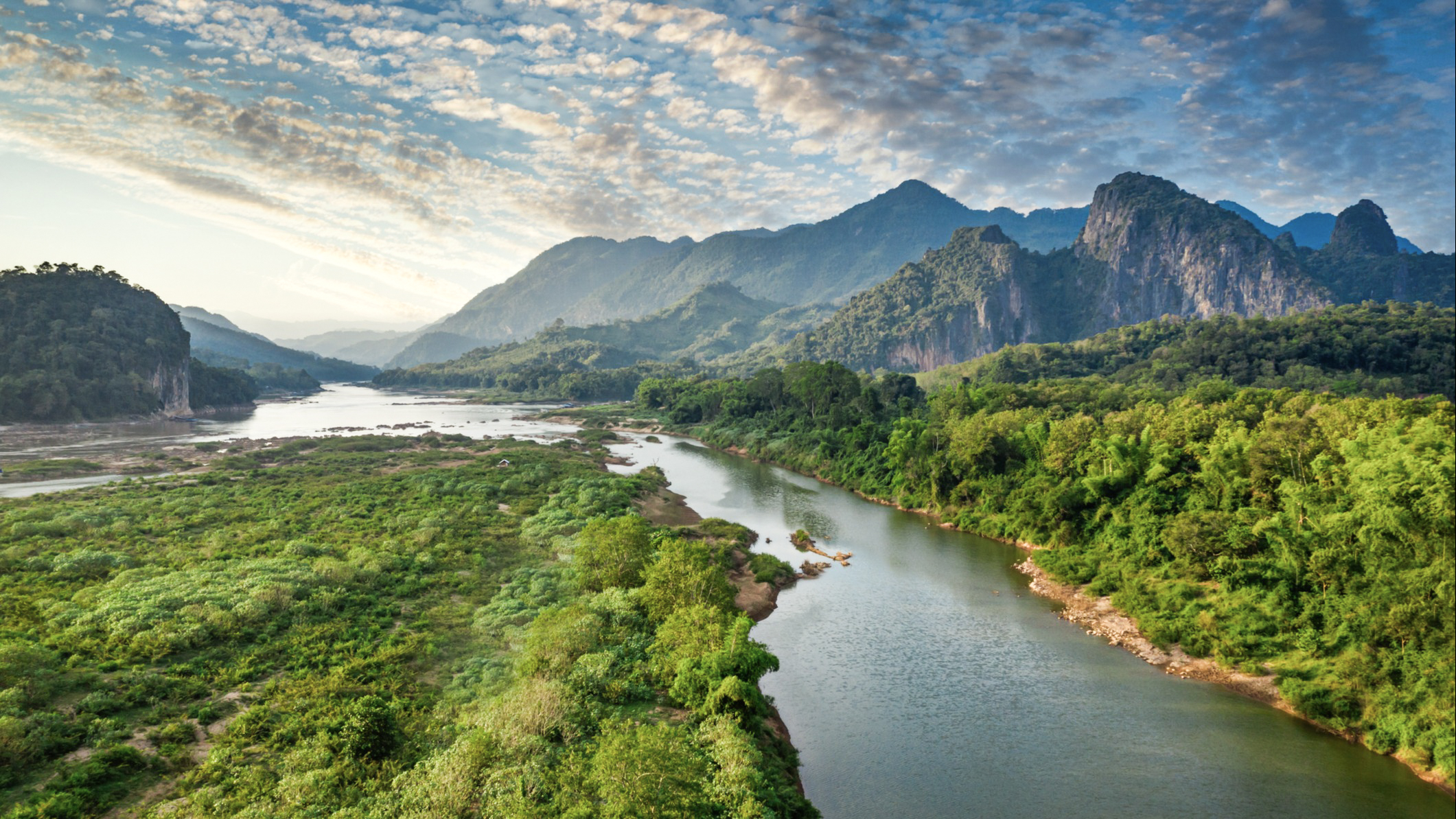
Life beside the Mekong in Laos

First Time in Laos: Let the Mekong Set the Pace

Laos rewards patience. Mornings begin softly, river journeys create natural pauses and its finest moments often arrive between scheduled sights.

Build fewer stops with longer stays. Dress respectfully at temples, learn a few greetings and accept that the gentler rhythm is part of the destination.

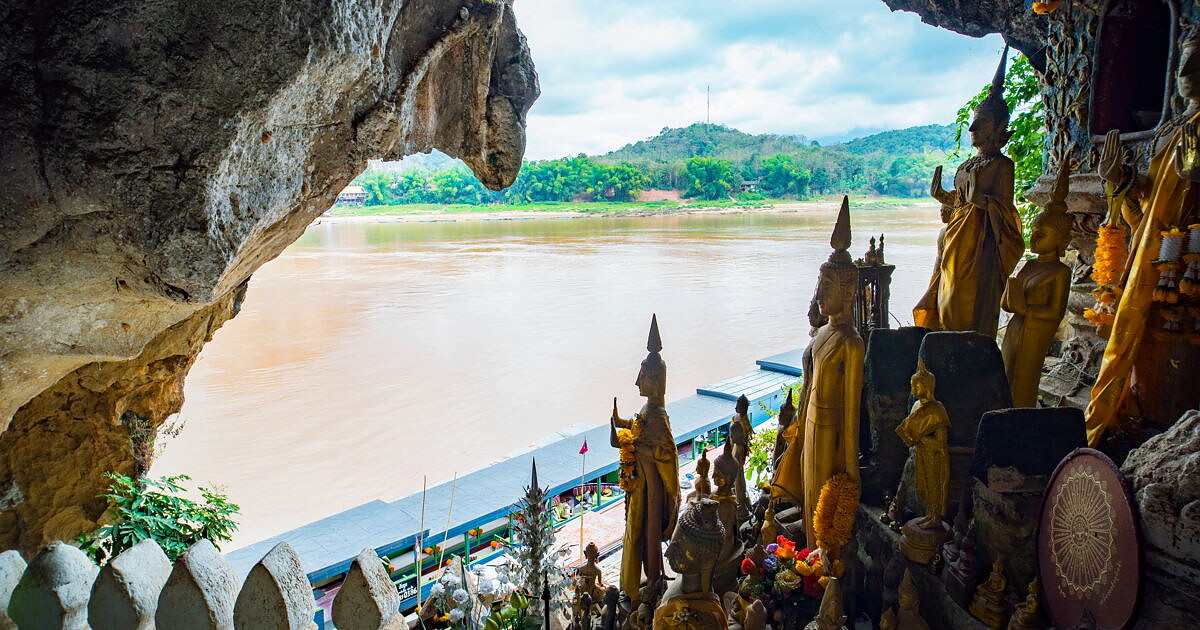
Historic Luang Prabang in Laos

Luang Prabang Beyond the Postcard

Golden temples make Luang Prabang immediately beautiful, yet its deeper appeal lies in daily ritual, craft traditions and life where two rivers meet.

Pair Kuang Si Falls with a craft visit or a meal explaining Lao ingredients. Observe alms-giving with respectful distance; it is not a performance.

Temple architecture in Vientiane

48 Unhurried Hours in Vientiane

Spend the first day between Wat Sisaket, Ho Phra Keo and shaded boulevards, then watch the Mekong change colour from the riverside.

On day two, visit COPE and Pha That Luang. Good coffee, galleries and Lao restaurants fill the spaces between monuments.

Angkor Wat in clear morning light

Angkor Beyond Sunrise

A strong day balances a major monument with quieter ruins, shaded passages and time to notice carving, scale and the meeting of forest and stone.

Start early, rest through the hottest hours and explore again in late afternoon. A knowledgeable guide selects the circuit around current crowds.

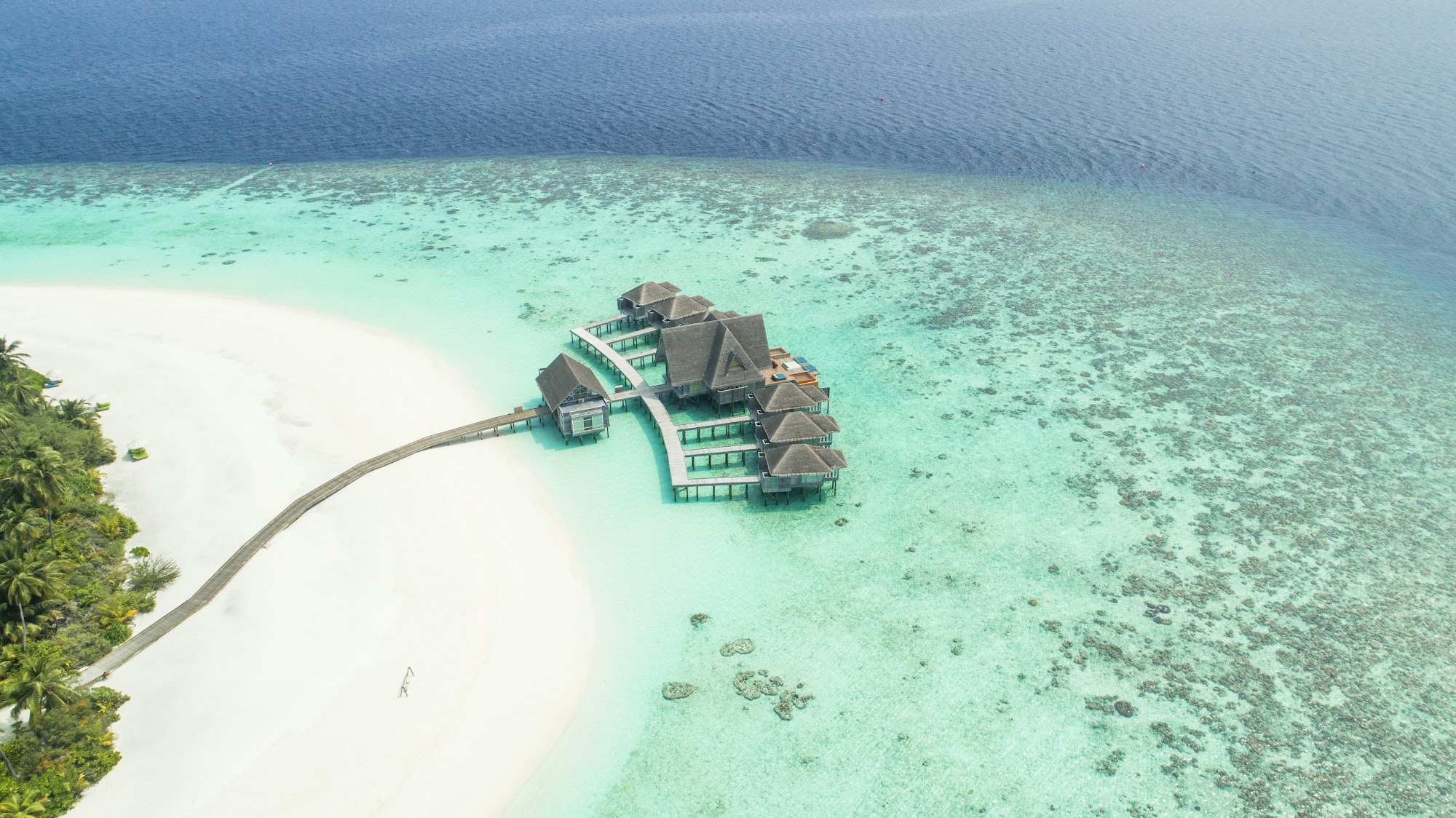
White beach and blue water at Koh Rong

From Angkor to Koh Rong

Cambodia gains balance when the intensity of Angkor and Phnom Penh is followed by the sea. Koh Rong offers warm water and broad beaches, with different areas suited to different rhythms.

Choose accommodation by beach, not simply by island name. Remote resorts make meal and transfer details especially important.

Phnom Penh beside the river

Why Phnom Penh Deserves More Than One Night

Phnom Penh holds royal heritage, difficult modern history and youthful creative energy in one capital. The palace introduces the city; markets, galleries and kitchens reveal far more.

Visit historical sites with context and emotional space, then balance them with contemporary Cambodian food and a Mekong evening.

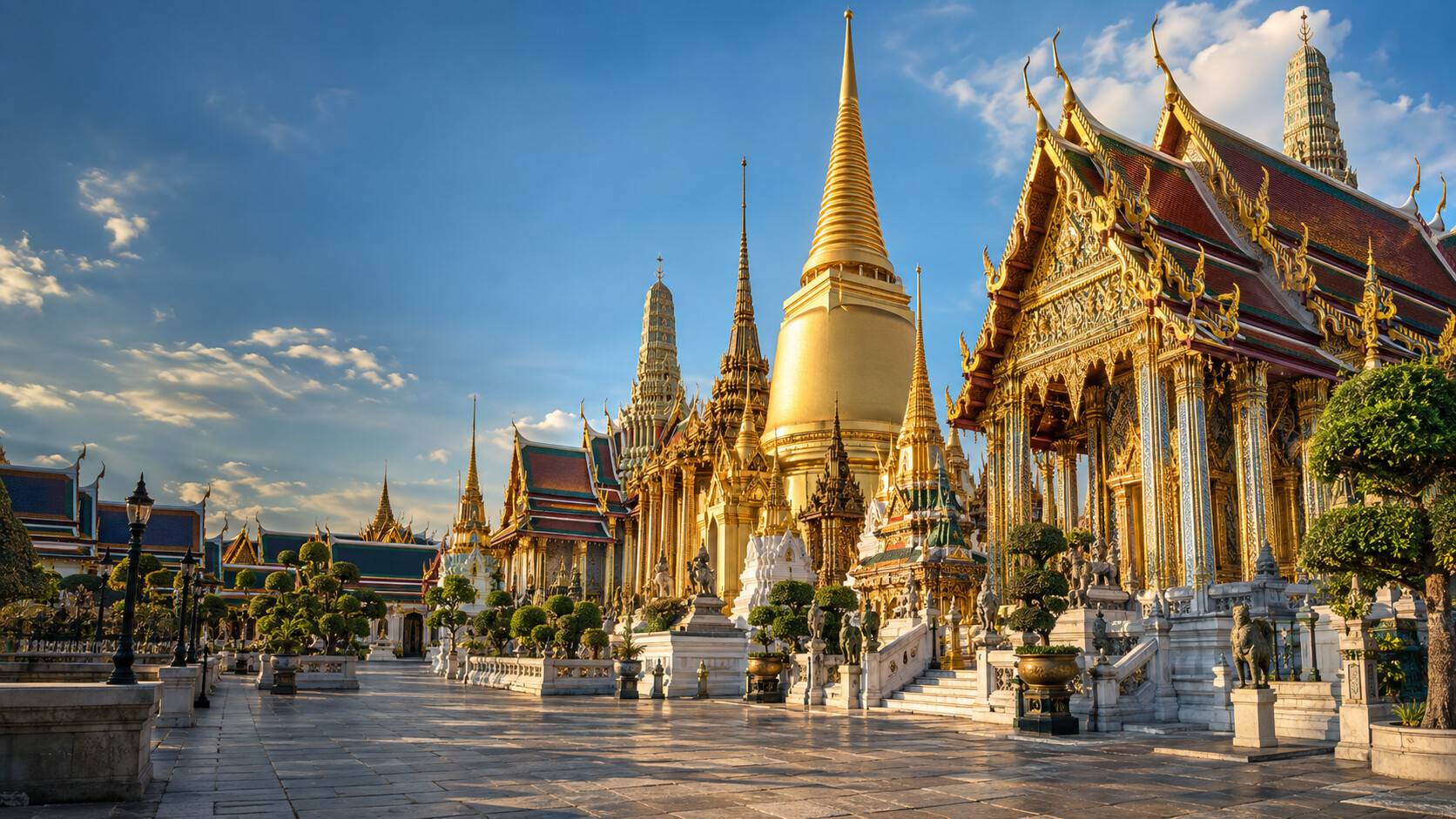
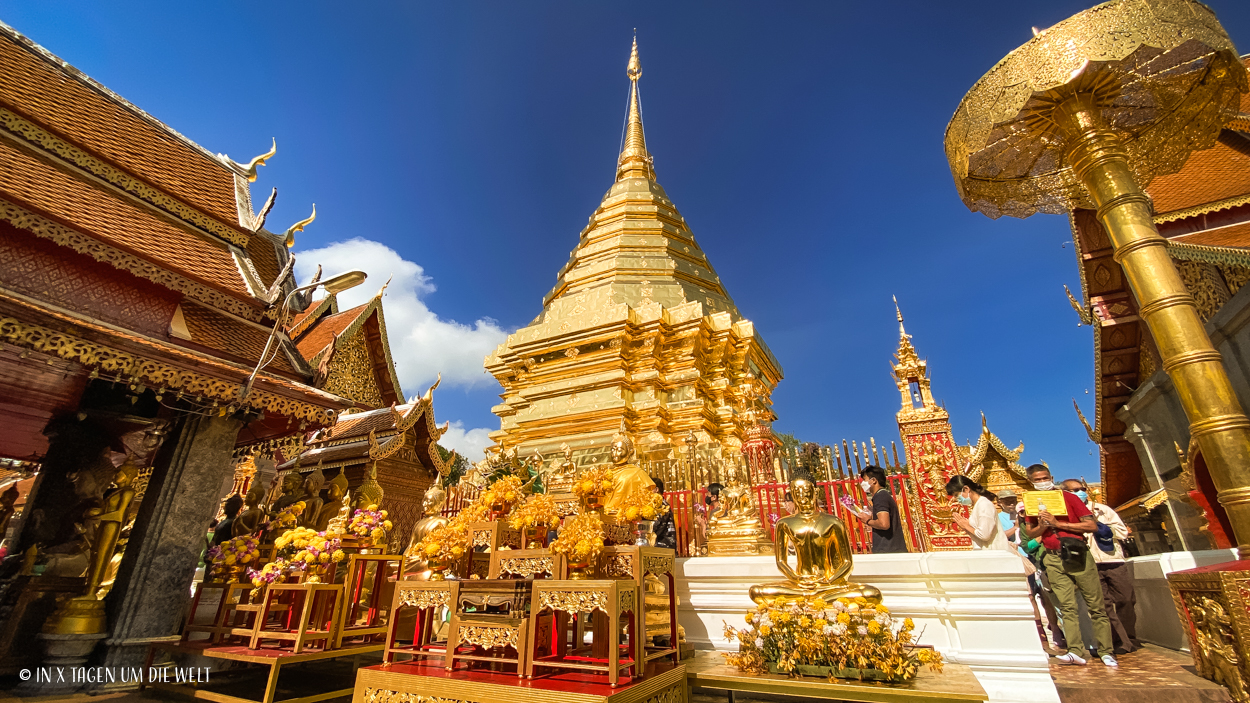
Ornate golden temple in Thailand

Thai Temple Etiquette

Cover shoulders and knees, remove shoes where indicated and keep feet pointed away from Buddha images and monks. Speak quietly even when the space is busy.

Ask before photographing people at prayer and never climb sacred structures for a picture. Women should avoid physical contact with monks.

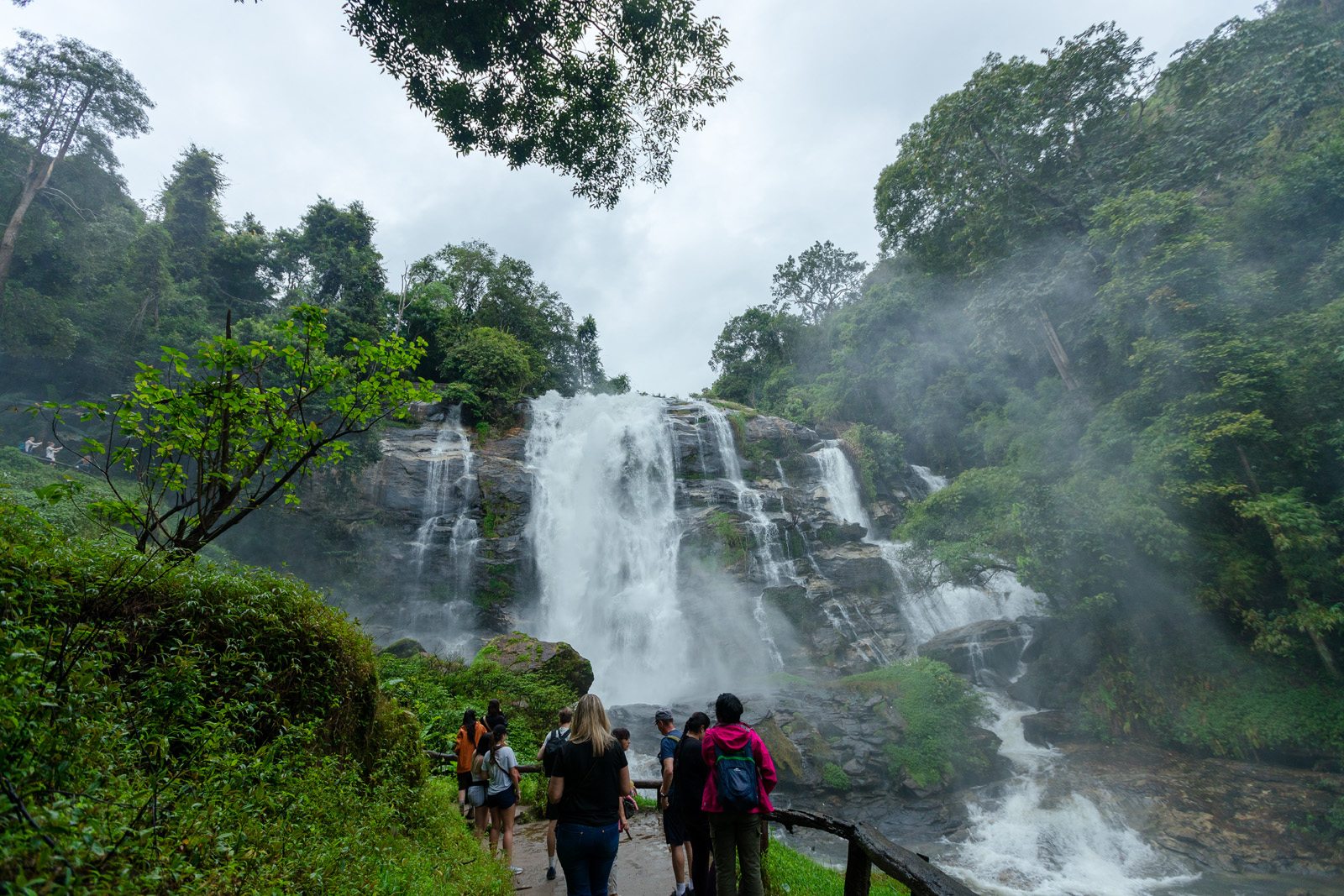
Mountain landscape at Doi Inthanon

Doi Inthanon: A Cooler Side of Thailand

Thailand’s highest mountain trades city heat for waterfalls, mossy forest and cool air. The pleasure lies in short nature trails, birdsong and cloud drifting through trees.

Combine the park with community coffee and choose viewpoints according to weather. Bring a light layer even when Chiang Mai is warm.

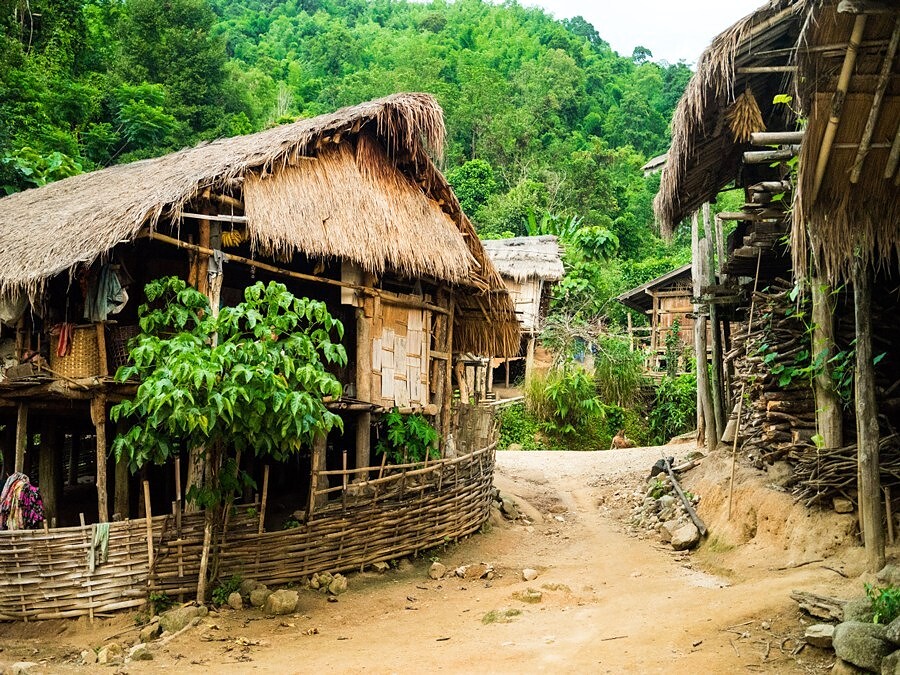
Lahu community in a mountain village

Village Homestays: How to Be a Welcome Guest

A good homestay is an exchange, not a hotel disguised as village life. Expect simple rooms, shared spaces and household rhythms. Let your host explain local etiquette.

Choose community-led stays with transparent benefits. Ask before photographing and participate without turning ordinary life into entertainment.

Family-friendly landscape near Chiang Mai

Chiang Mai with Children

Children can discover market ingredients, make a simple Thai dish, explore temple details and spend time in nature from one flexible base.

Plan one main experience daily and protect rest time during the heat. Choose ethical animal experiences centred on observation and welfare.

Need advice for your own journey?

Tell us how you want to travel.

Talk to an ECR local expert ↗
✦ WhatsApp