
Northern Vietnam
Best time to visit Vietnam
Vietnam Climate Guide
Three regions · Three weather patterns
There is always a rewarding place to travel.
Vietnam stretches more than 1,600 kilometres from north to south, so its seasons rarely move in unison. The key is not searching for one perfect national forecast, but choosing the region that is at its best during your travel month.Central Vietnam
Sunshine comes earlier
Hue, Da Nang and Hoi An usually enjoy their driest, brightest period from February to August. Rain becomes more frequent from September, with the highest chance of storms in October and November.Best for coast and heritage: February–AugustSouthern Vietnam
Warm throughout the year
Ho Chi Minh City, the Mekong Delta and Phu Quoc stay tropical year-round. November to April is drier; May to October brings short, heavy showers, lush scenery and fewer visitors.Best for beaches: December–MarchECR perspective: Weather patterns are guides, not guarantees. We design each route around regional conditions, your travel pace and sensible alternatives.
Travel with the seasons
Your month-by-month guide
01
Vietnam in January
Winter clarity in the south, mountain cool in the north.
January brings dry, sunny days to southern Vietnam and excellent beach weather in Phu Quoc. Hanoi is crisp and atmospheric, while Sapa and Ha Giang can be genuinely cold, especially after sunset. Central Vietnam is improving, though brief showers may linger.
Where ECR would take you
Combine Ho Chi Minh City, the Mekong Delta and Phu Quoc for reliable warmth. In the north, choose Hanoi, Ninh Binh and Halong Bay, adding mountain regions only if you enjoy winter landscapes.

02
Vietnam in February
Soft northern days and sunshine along much of the coast.
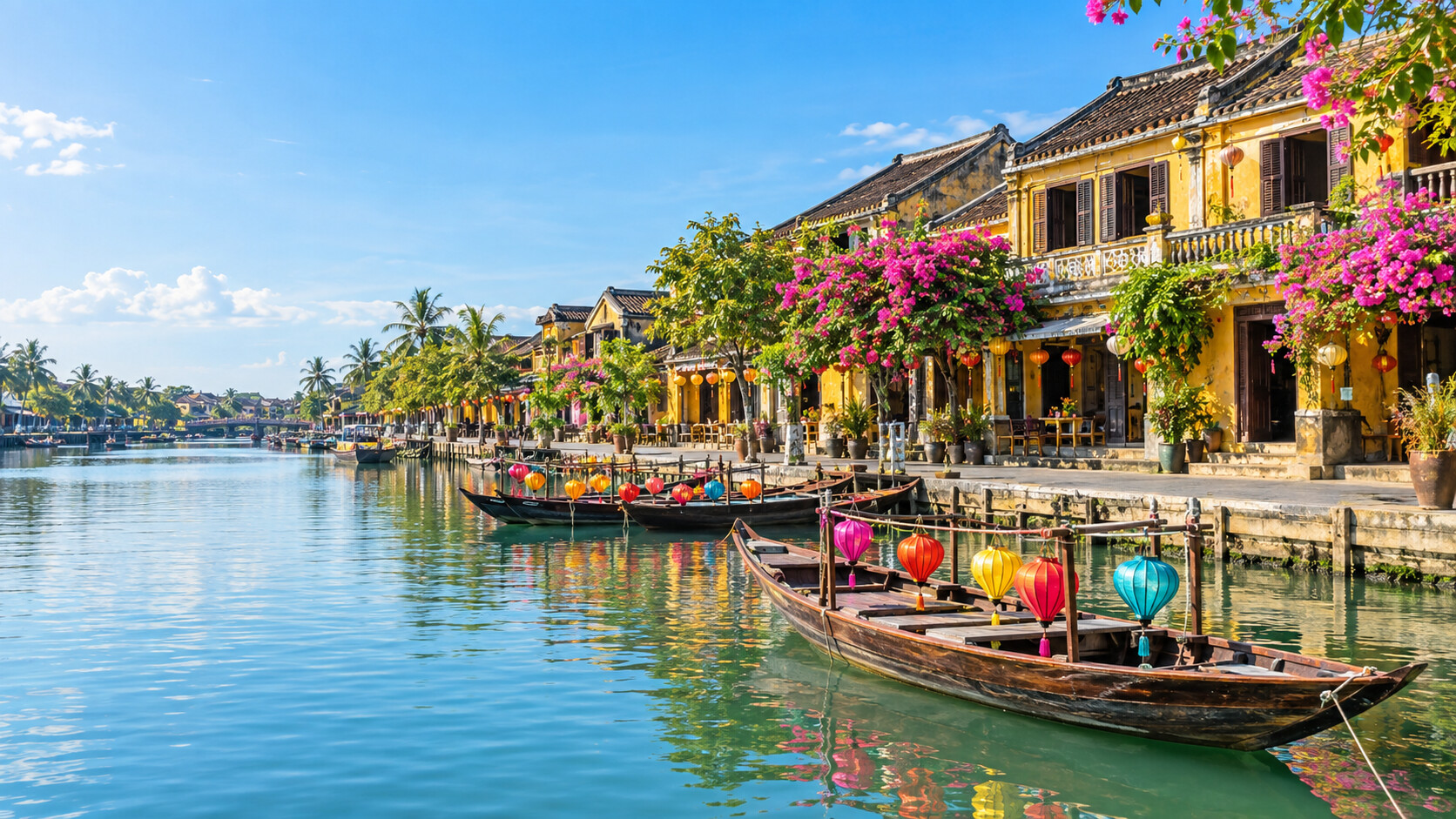
February is one of Vietnam’s most versatile travel months. Southern skies are typically bright, Central Vietnam becomes warmer and drier, and northern temperatures are comfortable for city walks, although mountain mist remains possible.
Where ECR would take you
Hoi An, Hue and Da Nang pair beautifully with a northern cultural route. For a beach finish, choose Phu Quoc, Mui Ne or the southern coast.
03
Vietnam in March
One of the finest months for a journey from north to south.
March often offers Vietnam’s most balanced national weather. Northern skies are clearer, Central Vietnam is warm without peak summer heat, and the south remains dry. It is an excellent month for Halong Bay, heritage towns and coastal stays.
Where ECR would take you
A full-country journey works beautifully: Hanoi, Ninh Binh, Halong, Hue, Hoi An, Ho Chi Minh City and the Mekong. Active travellers can add Ha Giang or Sapa.

04
Vietnam in April
Warm, bright and wonderfully open to every kind of journey.
April is a rewarding time across most of Vietnam. Northern valleys are warming and suitable for walking; Central Vietnam enjoys strong beach weather; the south is hot, with occasional showers beginning toward the end of the month.
Where ECR would take you
Travel through Hanoi and Ninh Binh before cruising Halong Bay, then continue to Hue and Hoi An. For mountain scenery, Ha Giang remains appealing before heavier summer rain arrives.

05
Vietnam in May
Fresh green landscapes and excellent value between seasons.
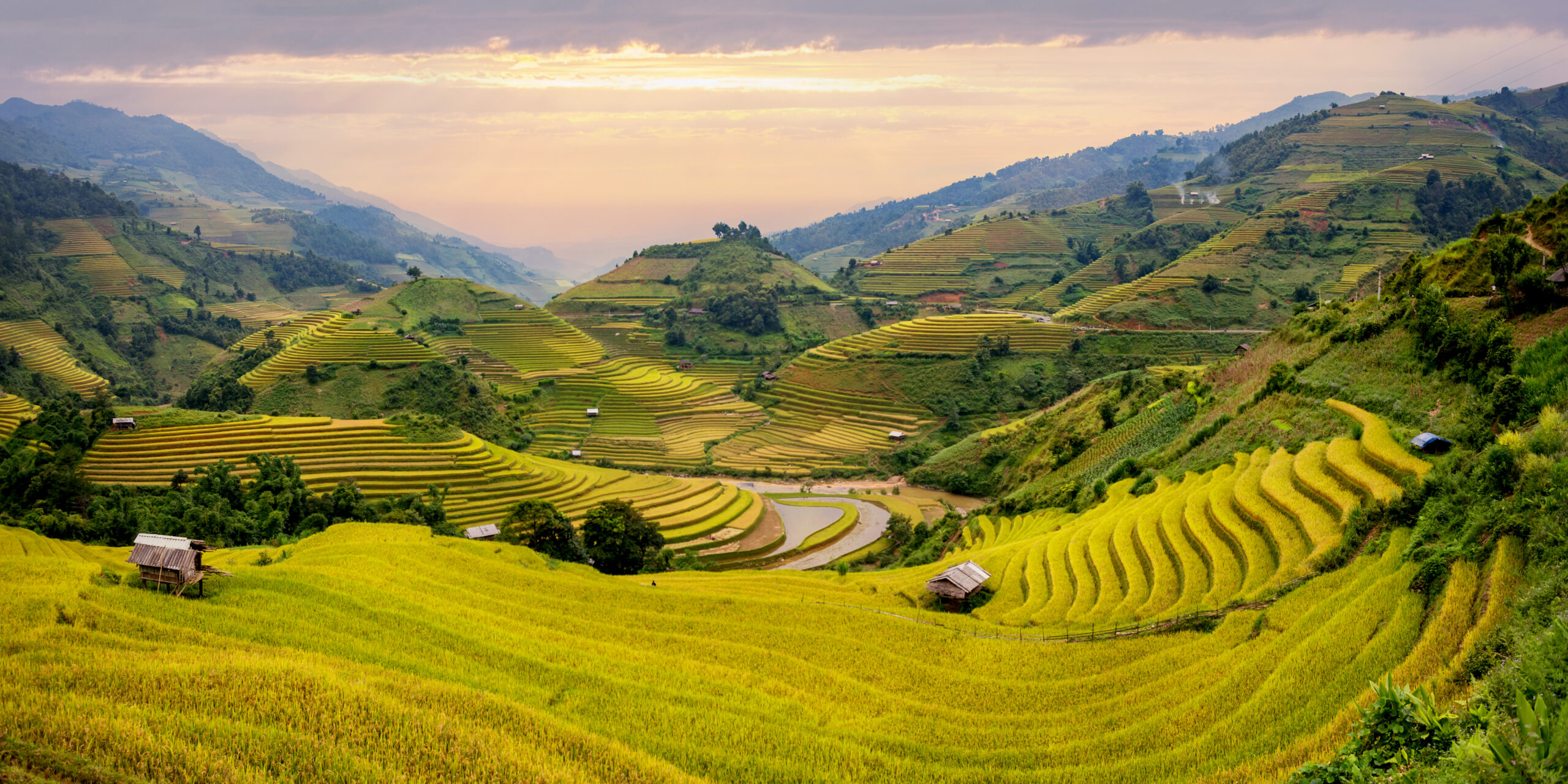
May feels vividly alive. Northern rice terraces fill with water and young green shoots, Central Vietnam stays sunny, and short tropical showers begin in the south. Rain usually arrives in concentrated bursts rather than filling the day.
Where ECR would take you
Choose Sapa or Mai Chau for newly planted terraces, then enjoy Hoi An and Da Nang. Build outdoor activities into the morning and keep afternoons flexible.
06
Vietnam in June
Central-coast sunshine, tropical rain and long summer days.
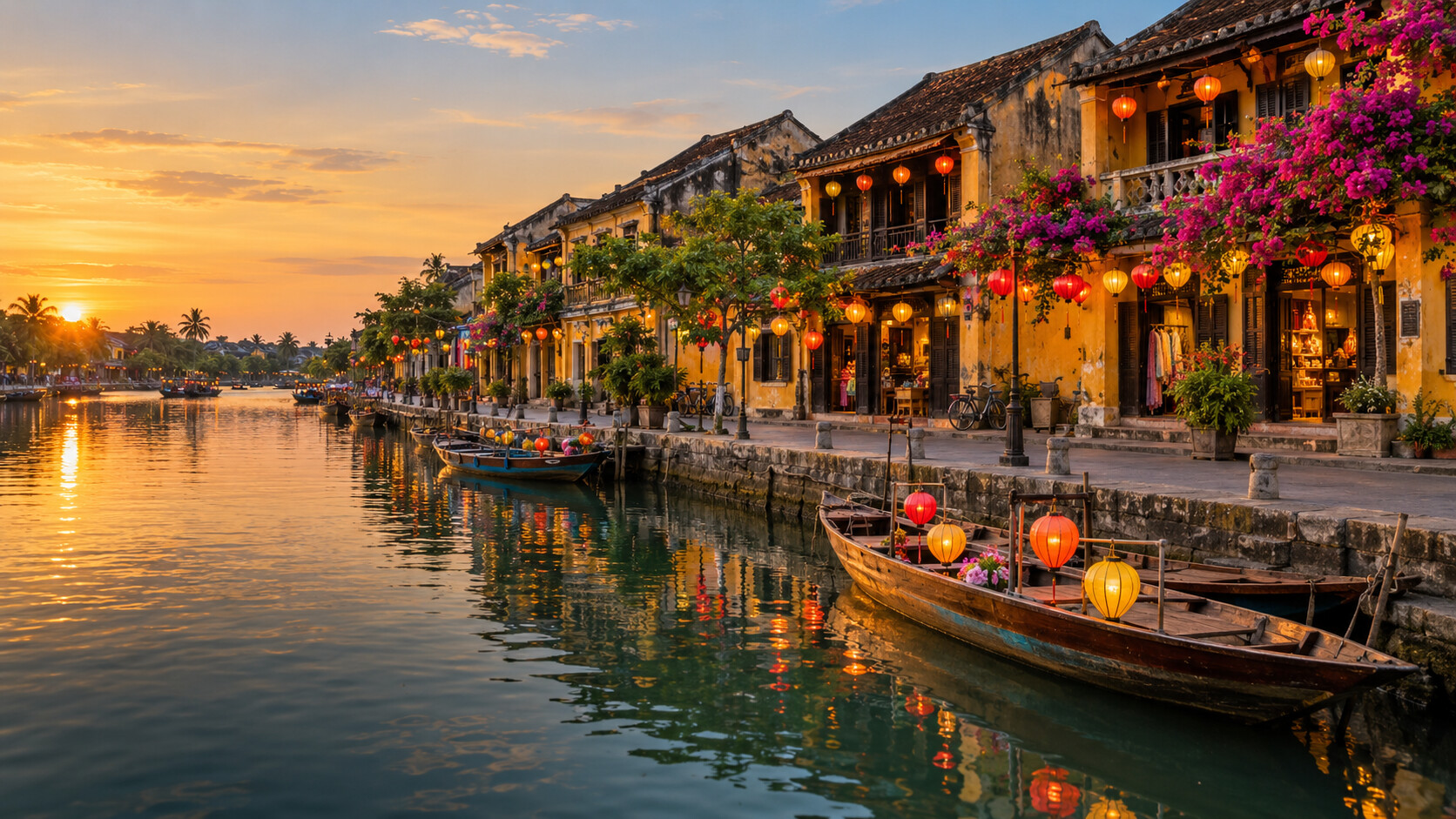
June is hot and humid in the north and south, with regular showers that often pass quickly. Central Vietnam is the standout: Hue, Da Nang, Hoi An and nearby beaches enjoy long spells of sunshine.
Where ECR would take you
Shape the journey around Central Vietnam, adding Hanoi for culture and the Mekong for lush river life. Avoid overly ambitious mountain trekking during wet conditions.
07
Vietnam in July
Beach days in the centre and dramatic green scenery elsewhere.
July keeps Central Vietnam bright and beach-friendly. Hanoi, Halong and the south experience tropical rain, but many showers are brief. Mountain paths can be slippery and occasional storms affect sea journeys.
Where ECR would take you
Combine Da Nang, Hoi An and Hue with cultural time in Hanoi or Ho Chi Minh City. Families benefit from spacious pacing and hotels with good pools.

08
Vietnam in August
A lush, warm month with rewarding low-season possibilities.
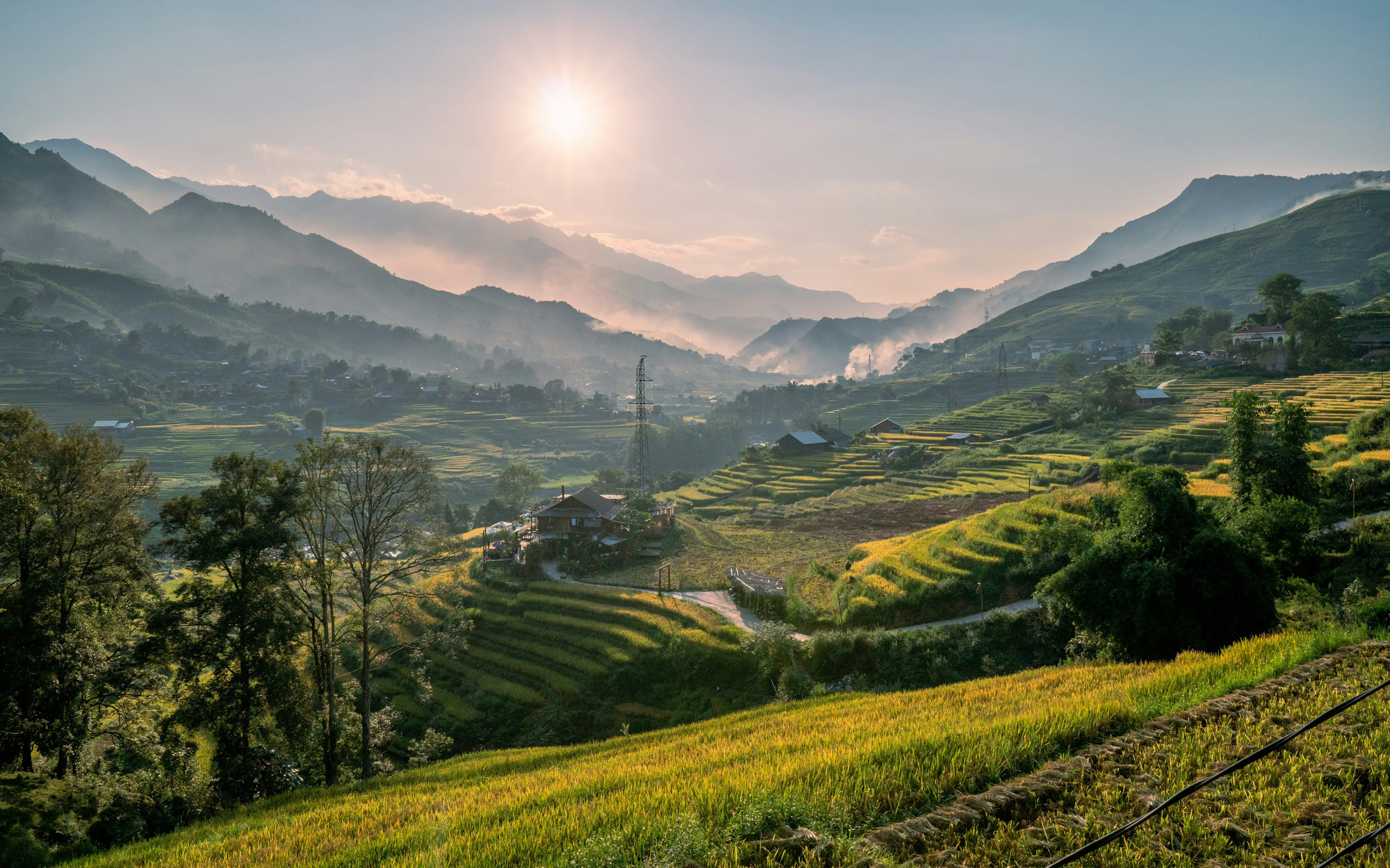
August remains hot nationwide. Central beaches often retain good conditions early in the month, while the north and south receive heavier showers. The reward is vivid colour, energetic rivers and attractive hotel offers.
Where ECR would take you
Focus on Central Vietnam or build a flexible cultural itinerary with private transport. Con Dao can offer meaningful seasonal wildlife experiences when responsibly arranged.
09
Vietnam in September
Golden northern terraces and a country in seasonal transition.
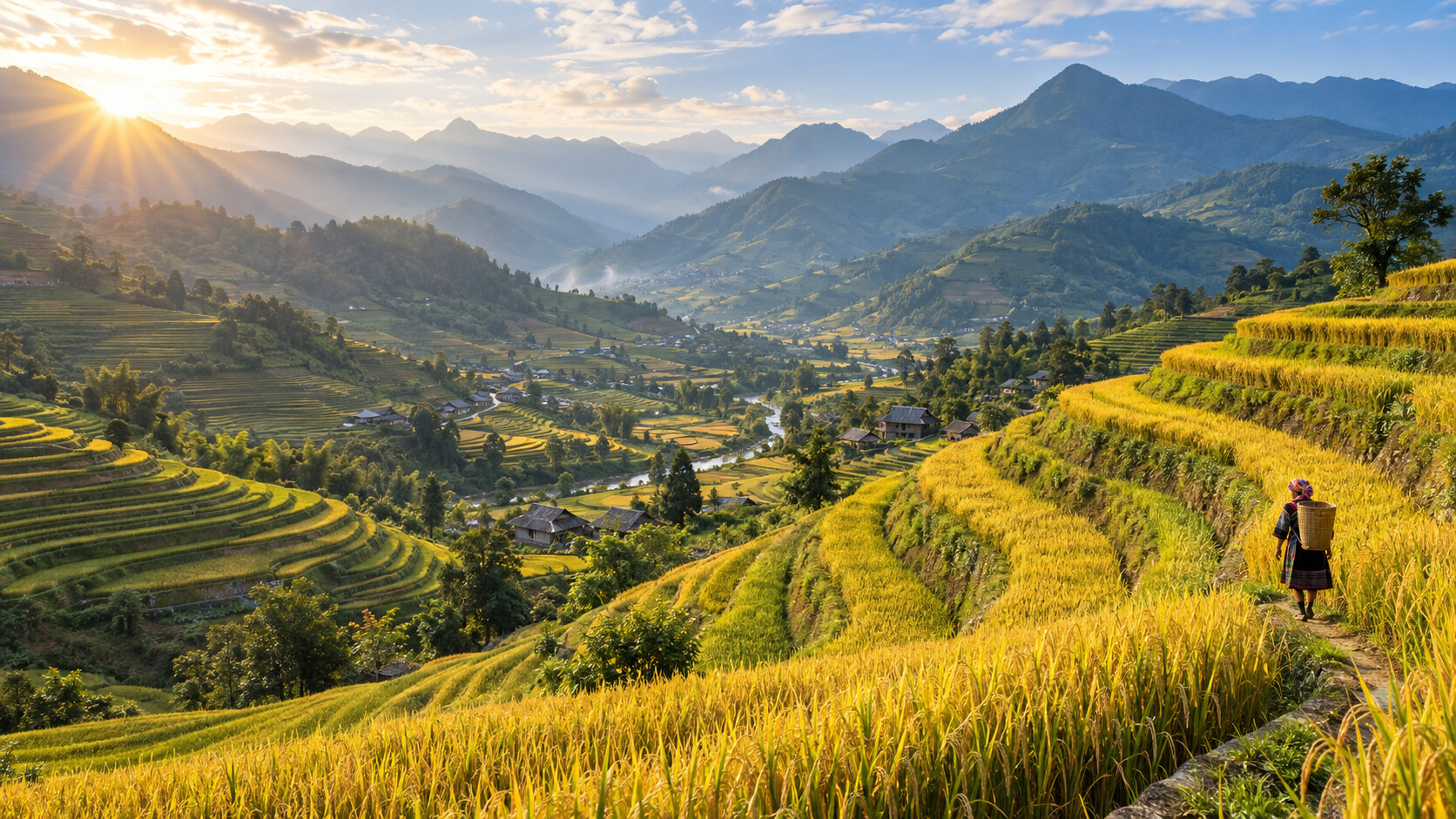
September is harvest season in many northern highland areas, bringing extraordinary gold to rice terraces. Rain gradually eases in the north, while Central Vietnam begins its wetter period and the south remains tropical.
Where ECR would take you
Prioritise Sapa, Mu Cang Chai or Hoang Su Phi, then add Hanoi and Ninh Binh. Keep Central Vietnam flexible as storms become more possible.
10
Vietnam in October
Clearer northern trails while Central Vietnam welcomes the rain.
October is excellent for northern Vietnam as humidity falls and skies often clear. Ha Giang, Hanoi and Ninh Binh become especially inviting. Central Vietnam can experience heavy rain or flooding, while the south starts to dry.
Where ECR would take you
Make the north the centrepiece: Hanoi, Ha Giang, Cao Bang, Sapa or Halong Bay. Add the south rather than forcing a weather-sensitive Central Vietnam stay.
11
Vietnam in November
Comfortable northern air and the return of southern sunshine.
November brings some of the year’s most pleasant conditions to Hanoi and the northern landscapes. The south becomes drier and less humid. Central Vietnam can still receive prolonged rainfall, particularly around Hue and Hoi An.
Where ECR would take you
Combine a clear northern route with Ho Chi Minh City and the Mekong Delta. Phu Quoc becomes increasingly attractive later in the month.

12
Vietnam in December
Festive energy, dry southern days and crisp northern evenings.
December is dry across the north and south, though the north can feel cool after dark. Phu Quoc enters prime beach season. Central rainfall usually eases gradually but may remain changeable in the first half of the month.
Where ECR would take you
Choose Hanoi, Ninh Binh and Halong before flying south to the Mekong and Phu Quoc. Mountain travellers should pack warm clothing for early starts.